

Tourism Development Strategy, Hampi
KARNATAKA | INDIA
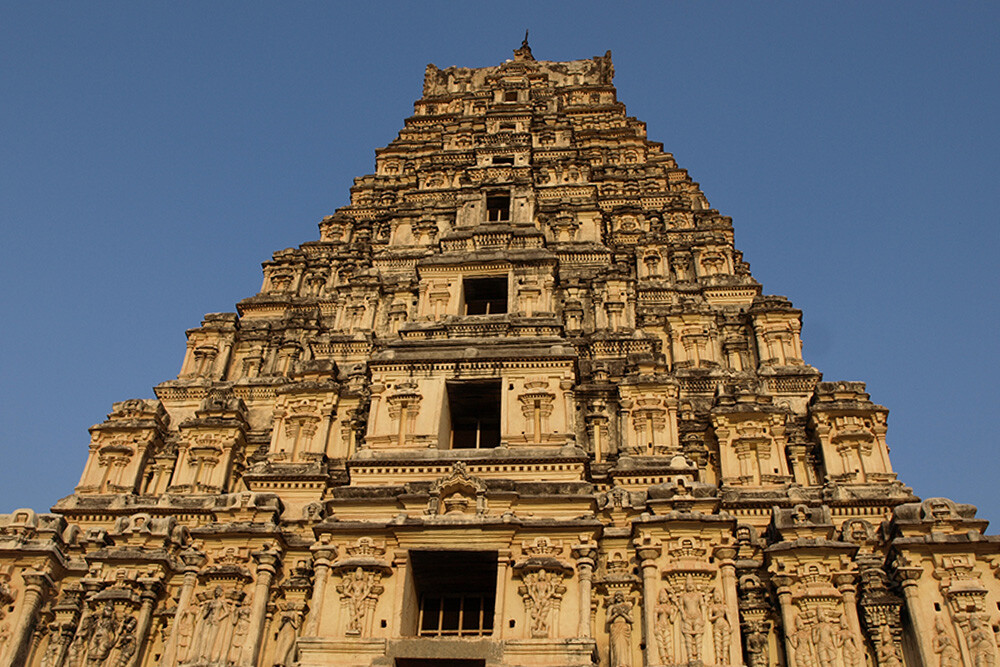
Development of a participatory strategy for ecotourism in the Hampi World Heritage Area (HWHA), including: an assessment of the current situation in terms of demand and supply of tourism services and cultural activities; stakeholder consultations to identify development priorities and the barriers hindering sustainable tourism in HWHA; and the definition of specific actions needed to stimulate tourism development and diversification.
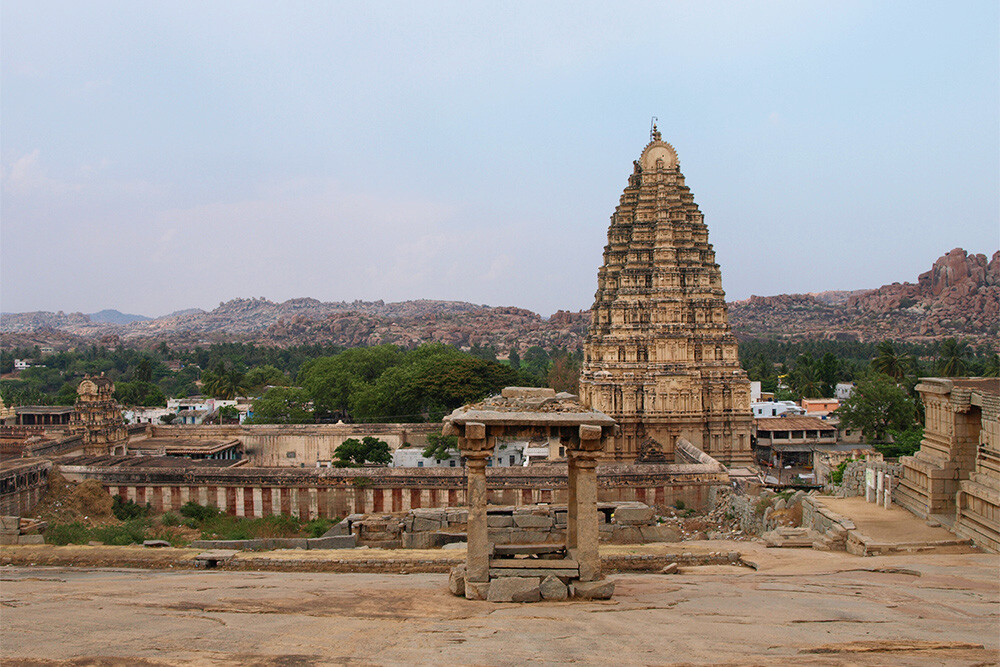
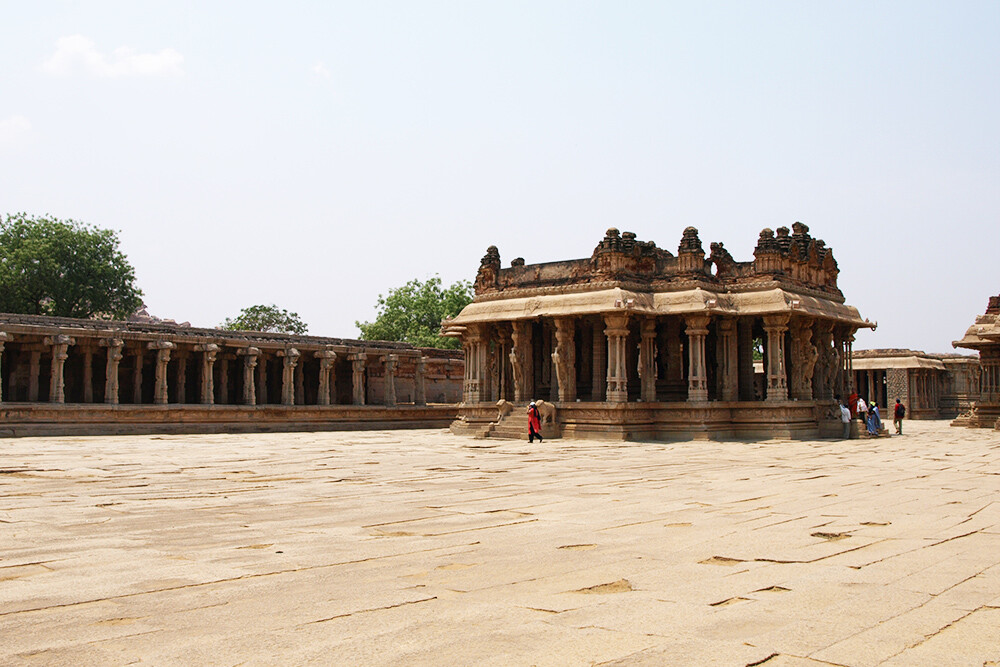
The austere and grand site of Hampi has been inscribed on the UNESCO World Heritage List since 1986 and encompasses the remains of the ancient capital of the Vijayanagara Empire, the last great Hindu kingdom (14th–16th centuries), with over 1,500 historic structures that make it a unique and remarkable site, as well as one of India’s main tourist attractions. However, tourism development had only marginally benefited the local population, whose economically and socially disadvantaged position had, in fact, become more pronounced. HYDEA, together with its partners TargetEuro, ECCOM, and HCI Consultants, therefore drafted a participatory tourism development strategy. This approach took into due account not only the constraints imposed by UNESCO regulations, but also the needs expressed by local residents in terms of infrastructure and access to social services. It also emphasised key aspects of sustainable tourism, including visitor management, awareness of the value of cultural heritage and its sustainable use, targeted marketing, and the strengthening of relevant institutions.
From – To
2009 – 2010
Client
Department of Tourism, Bangalore
Funding
Local funds